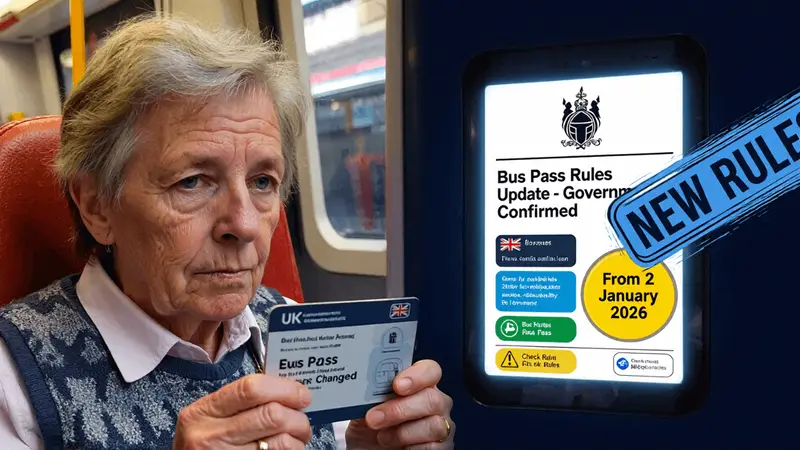
For many people across the UK, the free bus pass is more than just a travel benefit. It helps older residents stay independent, attend appointments, visit family, and manage daily life without extra expense. That’s why recent news about bus pass rule changes starting 8 February 2026 has caught so much attention.
Here’s what is actually changing, what is not, and what you should realistically expect — explained in a straightforward way.
Why Bus Pass Rules Are Being Reviewed
The government has been reviewing concessionary travel rules for some time. One main reason is the gradual rise in the State Pension age, which has already affected several benefits linked to age.
Another reason is cost. Local councils fund day-to-day bus pass travel, and many have been under financial pressure. As a result, instead of one big nationwide change, updates are happening in stages and often at local level.
That’s why people are hearing different things depending on where they live.
What Changes Are Starting from 8 February 2026
From 8 February 2026, updates linked to the bus pass scheme will begin to take effect across parts of England. These changes mainly focus on eligibility timing, usage conditions, and administration, rather than removing the scheme.
Key points include:
- Bus pass eligibility in England continuing to align with State Pension age
- Local councils updating how and when passes can be used
- Digital renewal systems becoming more common
- Stronger checks to prevent misuse, not to stop genuine users
Importantly, existing pass holders will not suddenly lose their passes.
Is the Free Bus Pass Being Removed?
No. The free bus pass is not being scrapped.
The concessionary travel scheme remains protected under law. What’s changing is how people qualify in the future and how local authorities manage the scheme.
If you already have a valid bus pass:
- You can continue using it as normal
- No re-application is required just because of this change
- Your council will contact you if anything specific affects you
Who Will Be Most Affected
The people most likely to notice these changes are:
- Those approaching State Pension age
- People planning to apply for their first bus pass in 2026
- Residents in areas where councils are updating local travel rules
For people who already qualify due to disability, the rules remain largely unchanged.
Different Rules in Different Parts of the UK
One thing that often causes confusion is that bus pass rules are not identical across the UK.
- England: Eligibility linked to State Pension age
- Scotland: Free bus travel usually starts at 60
- Wales: Free bus pass from 60
- Northern Ireland: Separate senior travel scheme
So if you hear someone saying “over-60s still get free travel,” they may be talking about a different nation.
Travel Times and Local Variations
Some councils are actually improving travel access.
In certain areas:
- Morning time restrictions are being reduced
- Weekend and off-peak access is expanding
- Local routes are being added to concessionary coverage
This is why checking your own council’s transport website is far more reliable than social media headlines.
What You Should Do Now
If you already have a bus pass:
- Just keep using it
- Watch for renewal reminders
- Make sure your address details are up to date
If you plan to apply soon:
- Check your State Pension age
- Look up your local council’s bus pass page
- Prepare proof of age and address
There is no need to rush or panic.
Watch Out for Misinformation
Whenever benefits are mentioned, exaggerated claims spread quickly. Some posts suggest:
- Passes being cancelled overnight
- New fees being introduced
- Age limits changing suddenly
None of these are true.
Real changes are gradual, announced in advance, and locally managed.
Final Thoughts
The bus pass remains an important part of life for millions across the UK. The changes starting from 8 February 2026 are about updating and managing the system — not taking it away.
If you stay informed through official council updates and government guidance, there’s no reason to worry. Most people will notice little to no difference in their day-to-day travel.